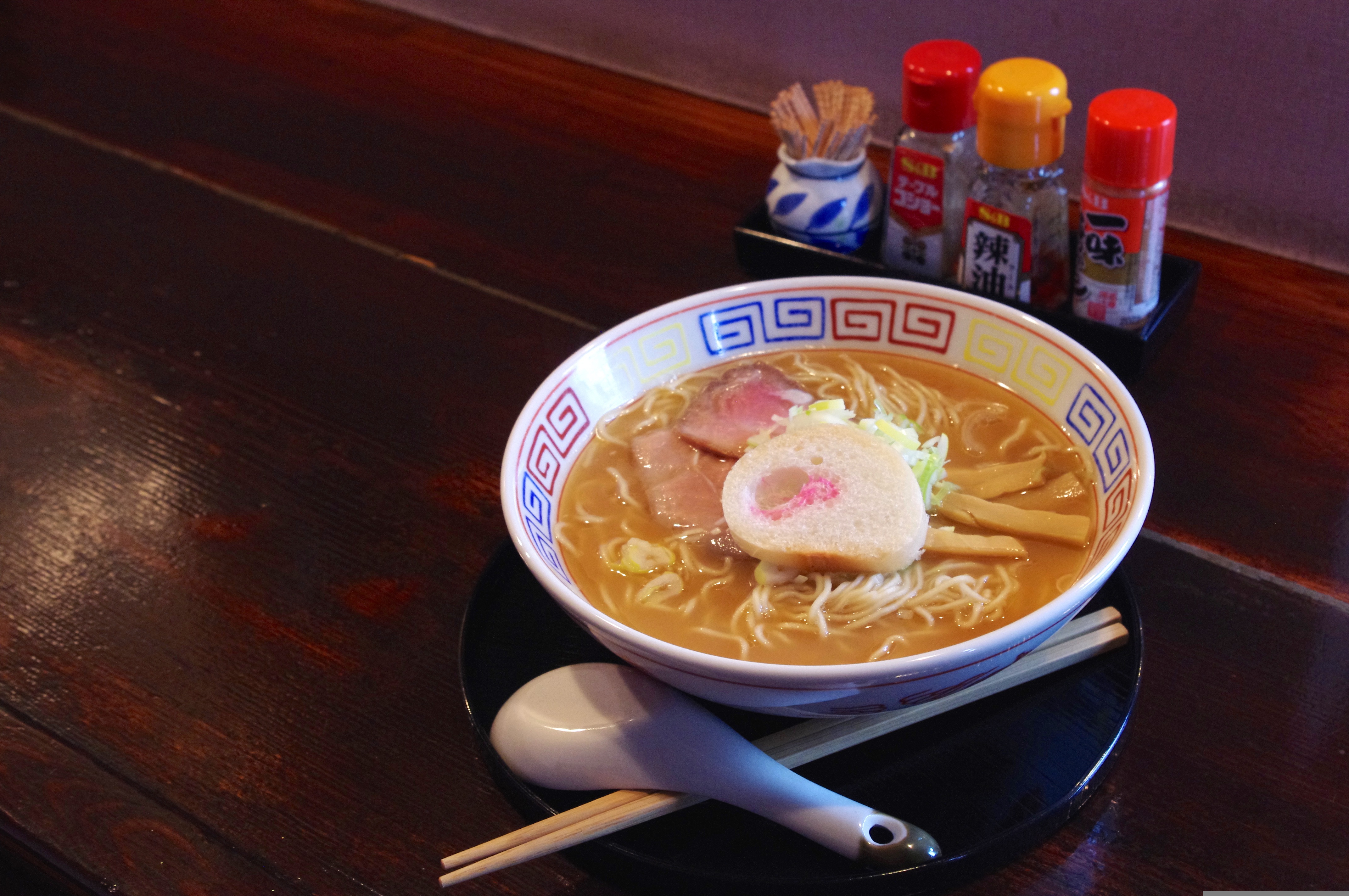
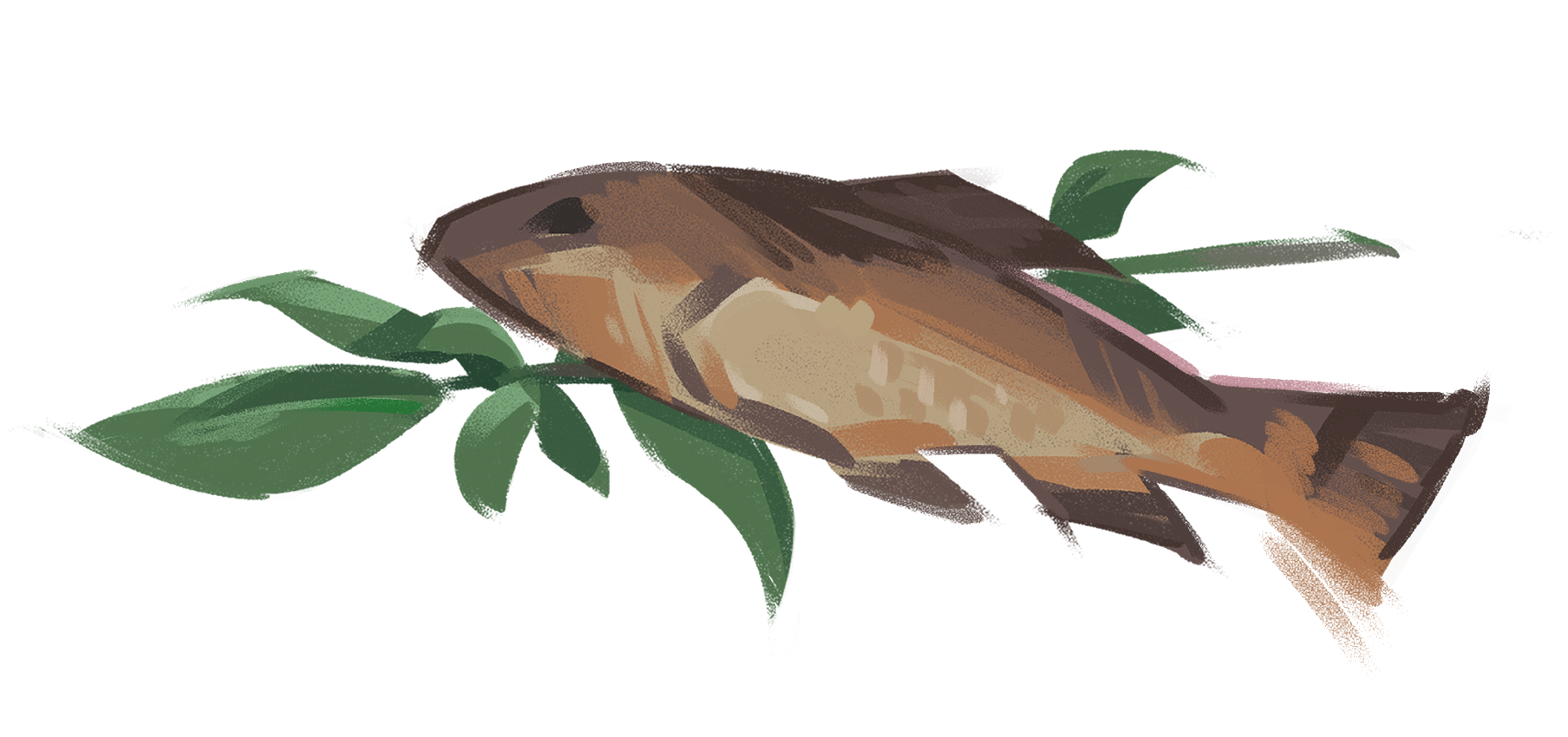
An o-henro (pilgrim) is never too far from good food on the Shikoku Pilgrimage in Japan. When prioritizing convenience for carrying, pilgrims find a variety of onigiri and baked goods at convenience stores. Each prefecture along the pilgrimage is known for its own local specialties as well. Tokushima Prefecture has pork-and-soy-based ramen, Kochi Prefecture boasts bonito seared over a flame, Ehime Prefecture serves sea bream over rice, and Kagawa Prefecture features thick udon in a lighter broth. Walk in autumn, and markets turn toward chestnuts and mountain mushrooms.
Food System
On the Shikoku Pilgrimage, lodging meals are part of the route infrastructure. Food support also comes from the ordinary places a pilgrim passes through.
Meals at lodging
Firsthand · Verified
Meal plans at minshuku and ryokan shape the day’s food planning. The meal is part of the stay, alongside the route through sacred mountains, villages, cities, and coast.
Everyday food access
Firsthand · Verified
Convenience stores, restaurants, and markets provide everyday access to meals and provisions between temples. Onigiri and baked goods are practical food to carry.
Temple stays
Firsthand · Verified
Shukubo are one way to encounter temple cuisine on the Shikoku Pilgrimage. Book a temple stay at least a week or two ahead to balance spontaneity with planning.
Osettai
Firsthand · Verified
Osettai from local people are chance happenings rather than a provisioning system. They are offered freely and cannot be planned as part of a food supply.
Tokushima
sudachi country
Nishiyamada-33-4 Oasacho Bando, Naruto, Tokushima 779-0236, Japan / tokushima / Try: Tamago unagi, dorome, glazed eel
Otoriien Ryokan provides traditional lodging near the beginning of the Shikoku Pilgrimage, with dinner and breakfast included. Dinner brings glazed eel, pickled vegetables, seaweed tofu, sashimi, and tamago unagi, or grilled eel rolled in an omelette. Breakfast includes dorome, fish, salad, omelette, and miso soup.
Official website ->Kochi
bonito country
Japan, 〒779-1510 Tokushima, Anan, Aratanocho, Miyanokita−36 / kochi / Try: Takenoko gohan, oden, sumiso takenoko
Minshuku Pandaya provides family-run lodging near Temple 25, with a set dinner and breakfast. Dinner includes takenoko gohan, oden with konjak and vegetables, and tempura maitake mushrooms. Breakfast includes rice, small dishes, and seasonal mountain vegetables, including takenoko simmered, sliced, and dressed with sumiso.
Official website ->Ehime
sea bream in two styles
4-19 Tsurushimacho, Uwajima, Ehime 798-0060, Japan / ehime / Try: Soufflé pancakes, matcha, taimeshi
Dear U Uwajima Guest House & Café provides hostel lodging alongside a café serving soufflé pancakes and matcha. The guesthouse sits in Uwajima, where taimeshi is prepared with thinly sliced sea bream over rice, egg yolk, and dipping broth. Uwajima Castle is also within the surrounding city.
Official website ->Kagawa
Japan's udon heartland
28-18 Nakanocho, Takamatsu, Kagawa 760-0008, Japan / kagawa / Try: Shabushabu, hamachi sashimi, olive pork
Hostel JAQ Takamatsu provides hostel lodging and a communal dinner in Kagawa. The meal combines hamachi sashimi with thinly sliced olive pork, enoki mushrooms, and cabbage. The pork and vegetables cook briefly in kombu stock, then are dipped in a soy-based sauce and eaten as shabushabu.
Official website ->Foraging
Bamboo Shoots (takenoko)
Season: March–May
Young bamboo shoots appear in spring and are most tender when they first push through the soil. Simmered, sliced, and dressed with miso and vinegar, they are tender and flavorful. They require blanching to remove bitterness before cooking.
Japanese Knotweed (itadori)
Season: April–May
Itadori is Japanese knotweed, a sansai, or mountain vegetable. Its stalk has a lemony flavor similar to rhubarb and may be cooked with dashi and soy sauce. It also appears marinated in country rice.
Butterbur Scape (fuki)
Season: April
Fuki is the butterbur plant, a sansai with a stem that can be grilled with a little oil and seasoned with soy sauce, bonito flakes, and sesame seeds.
Ostrich Fern Fiddleheads (kogomi)
Season: April–May
Kogomi is the fiddlehead of the ostrich fern and a sansai. Juvenile ferns may be warabi or kogomi. Kogomi is served as lightly battered and fried tempura with soba and as a fresh vegetable.
Food Map
An interactive map of food spots, cooking classes, regional dishes, and wild foods encountered on the Shikoku Pilgrimage, drawn from Brandon’s firsthand walking experience.
Open the Shikoku Pilgrimage food map →More from Walking to Dinner
Walking to Dinner on the Shikoku Pilgrimage
For dinner, I had the opportunity to try katsuo no tataki, a dish recommended to me the other day.
Read on Amazon